Audience & Marketing
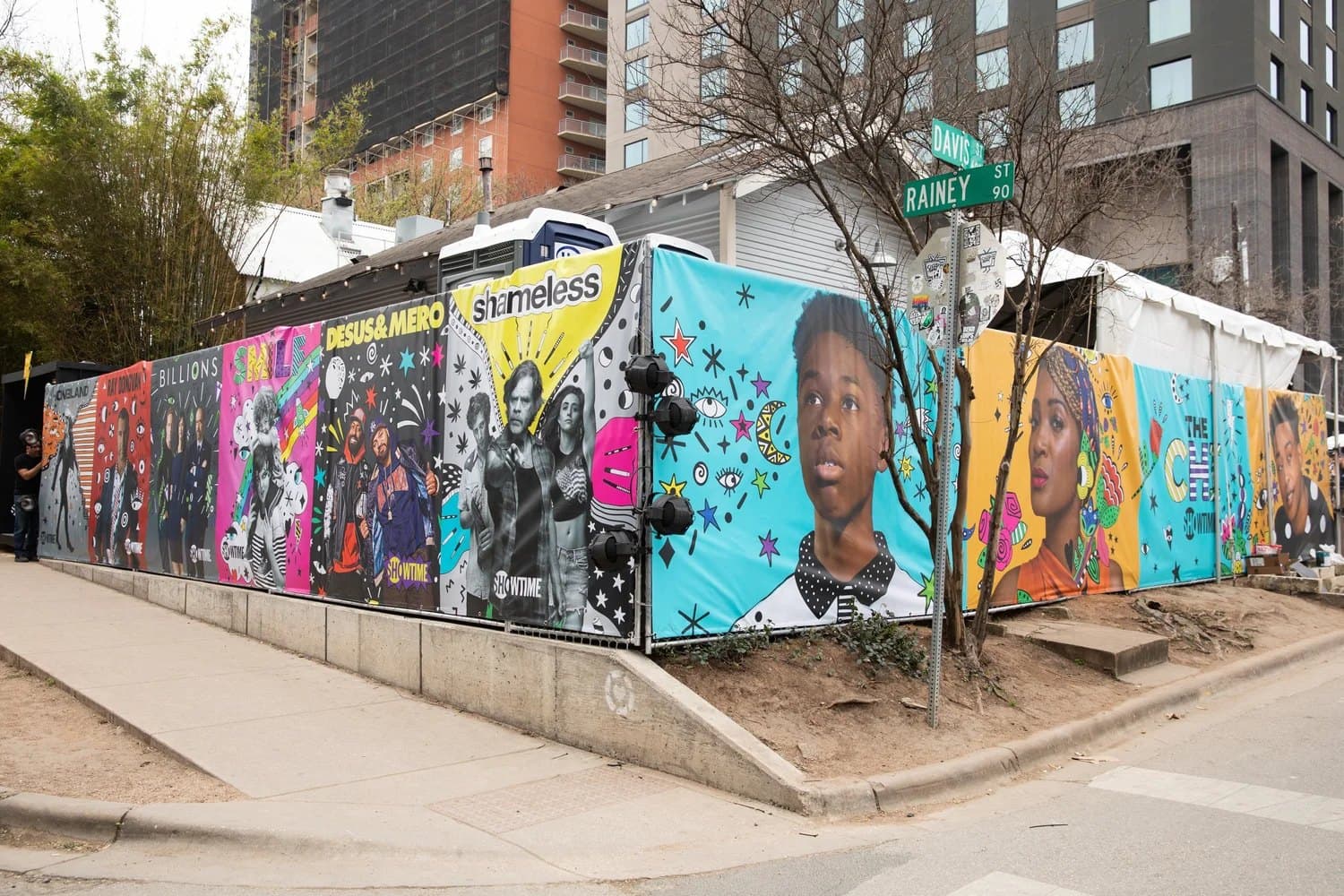
People turn up to the party a friend brought them to, not the one they saw a flyer for. So we don't advertise most of what we run.
- Company
- Daikoku NYC
- Year
- 2022 – Present
- Role
- Founder & Executive Director
- Category
- Brand Marketing / Community Growth
- Adobe Photoshop
- Discord
41.5K
Instagram community
5.3M
Monthly views
26x
Interactions per person reached
+3,676
Peak growth, 5 days
Context
A 501(c)(3) built around car culture has no media budget. Every dollar is supposed to go into programming. Paid social would also be a strange thing to buy here, since the whole value of the thing is that people came on their own.
So the channels had to be free ones. Other people's cameras. Other people's coverage. And being the group a reporter calls when they need someone credible.
Problem
Three problems, hardest last.
Reach with no spend. Instagram is where car culture actually lives, and it pays out for volume and consistency. A volunteer org can't out-post a brand with a content team.
Two audiences with opposite filters. Enthusiasts smell corporate instantly and leave. City agencies, community boards and precincts run the opposite check, and anything that looks like a street crew fails it. Same feed, both readers.
Attention that converts. Followers aren't members. A car account can pull a big audience that never attends anything, and for an org running permitted events with real headcounts, that audience does nothing.
Solution
Two channels, split by what kind of event it is.
Civic events get everything. Cultural parades, heritage activations, anything the public is invited to watch. Flyers, press, transit directions, the full announcement. Those exist to be found by strangers.
Everything else runs on word of mouth and never gets posted. People turn up to the party a friend brought them to, not the one they saw a flyer for. An invite carries a vouch. A flyer carries nothing.
Posting a meet publicly also changes who shows up and how they act, and then it stops being the room you built. Keeping it quiet is a safety call as much as a marketing one. An unannounced meet doesn't pull the crowd that turns a meet into a takeover, which is what keeps spots open to us and keeps the precinct on our side.
Feed the photographers and they become the content team. A whole scene of photographers and videographers grew up around these events. We support it instead of competing with it. There's a Discord and a set of group chats where members post work in progress, trade settings and spots, and get honest critique, plus a weekly session anyone can join whether they picked up a camera last month or shoot for a living.
The goal is that they get better. Coverage is a side effect, and it would fall apart if we made it the goal. Every meet ends up shot from twenty angles by people who were coming anyway, and it reads like documentation because that's what it is. A hired crew would have produced less footage that looked more like an ad.
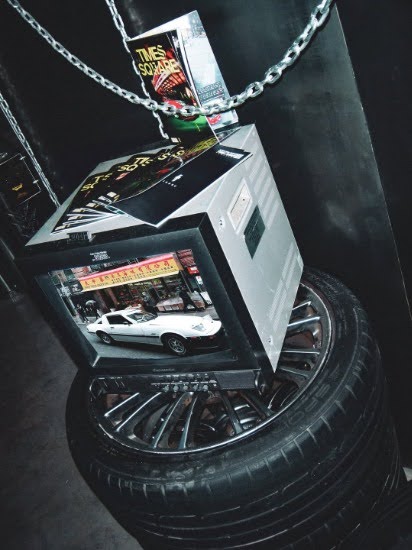
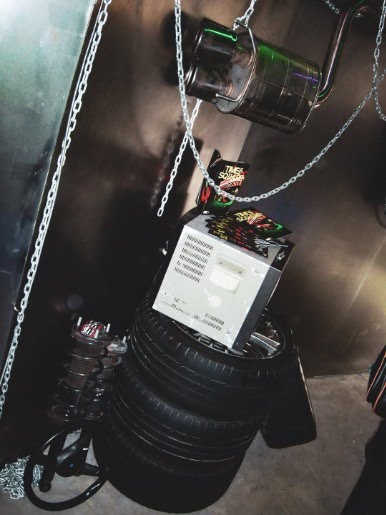
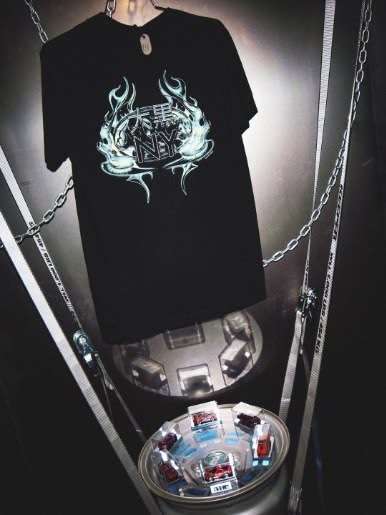
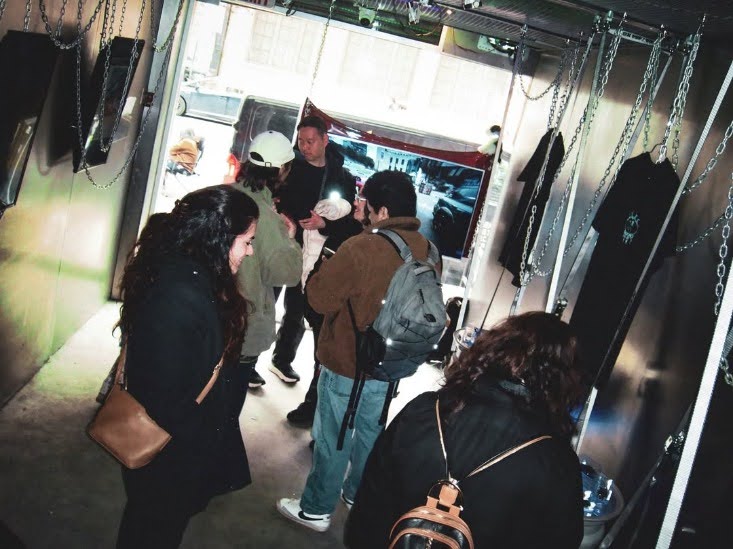
Show the work back to them. A year of member photography from Chinatown Night Out became a show at Null Object, running across four screens. We built the room out of car parts instead of gallery furniture. Screens sat on stacked tires and wheels.
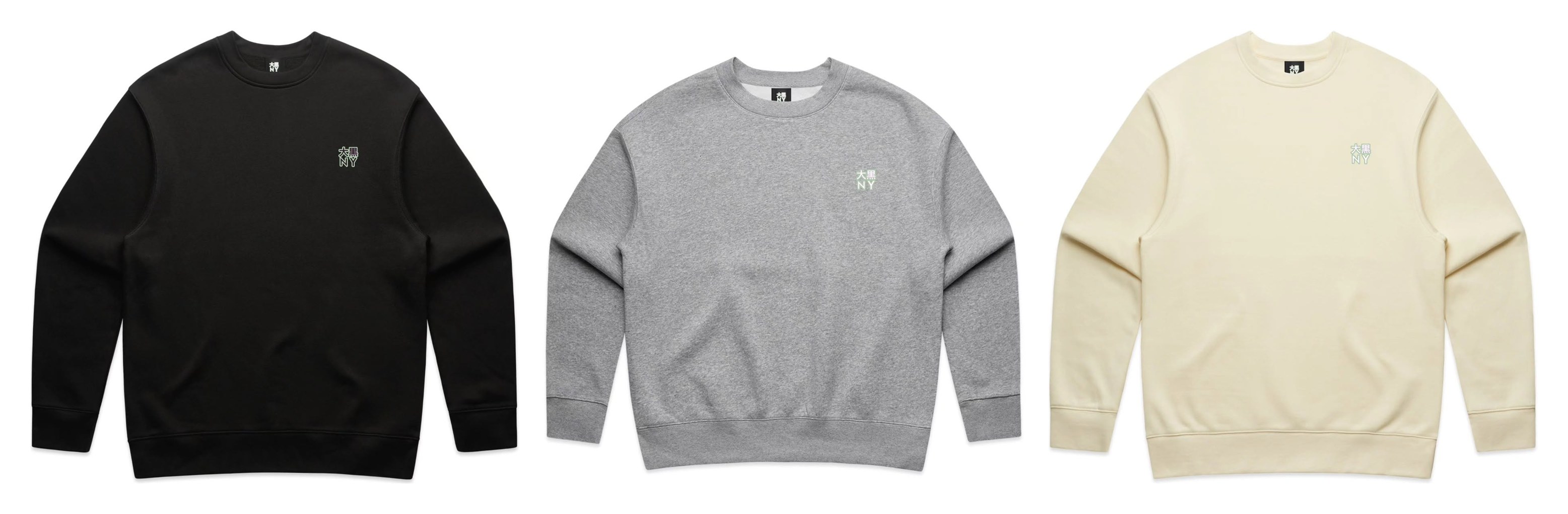
The show carried a small run of merch: a tee with Null Object, and Hot Wheels die-casts with our mark engraved into them. Giving a photographer a screen and a wall is the strongest retention tool we have, and it costs a venue partnership instead of a budget.
Earn the press instead of pitching it. The plan was to be the group worth quoting. Incorporate properly, run permitted events, keep the precinct relationship, and stay consistent long enough that any of it can be checked.
That paid off in April 2026, when NY1 covered a citywide NYPD crackdown on illegal car meetups. We were the org they called for the legitimate view. Getting asked to comment on the crackdown instead of being part of it is worth more than any campaign we could have bought.
Build a ladder, not a follow button. Open meets and Chinatown Night Out take anyone. Community activations ask for a little more. Parade lineups are curated, so getting picked means something. The registry is where somebody stops being audience and goes on the record as part of the org.
Make merch do three jobs. The August 2025 drop was pre-order with a hard close, so we never printed anything nobody asked for. It funds programming, since a 501(c)(3) takes no margin. It puts the mark on people in public. And we said where the money goes in the drop itself instead of hiding it at the bottom of a page.
Customer Journey
There are two ways in and they behave differently.
The public route: someone sees a clip a member shot, follows, then comes to a civic event or an open meet that asks nothing of them.
The invited route: a friend brings them to something that was never posted. That person arrives already vouched for, already knowing how to act, and sticks around at a much higher rate. That gap is the whole argument for keeping most events off the feed.
The drop-off that matters is between the follow and the first event. That's where most audiences stall, and it's why open meets have no application and no vetting. Friction there costs far more than it screens out.
Impact
41.5K on Instagram with nothing spent on ads.
Over a recent 30-day window the account pulled 5.3 million views and 491,000 interactions from 18,500 unique accounts. That works out to roughly 26 interactions per person who saw anything, and about 165 views per follower. Benchmarks for automotive community orgs sit at 1 to 3 percent engagement. This runs 10 to 15 times higher.
Growth arrives in lumps. One five-day stretch at the end of March 2026 added 3,676 followers against a baseline near 43 a day. That's a piece of coverage landing, not steady posting, and it's the clearest case for the earned-media approach. One placement beat months of consistency.
The press record now spans enthusiast, culture and local news, which is the part that matters. An org covered only by car media is a car club. One covered by Time Out, Hypebeast, NY1 and MotorTrend is a cultural organization, and city partners read that difference.
Learning
The best channel was the one we chose not to use.
I came in assuming reach was the goal and everything should get promoted. For most of what we run the opposite held. An unadvertised meet fills anyway, with better people, because a friend's invite carries something a flyer can't. Holding back turned out to be a growth strategy, which I did not expect to write down.
Second, the community was the media buy. The useful work wasn't making content. It was building the conditions for other people to make it, then staying out of the way.
Third, and less comfortable: our biggest growth spike came from one piece of coverage, not from anything we did that week. Most of the job is making sure the org is worth covering when it comes, and being ready to catch it.